
How to Turn Your Farm Into a Tourism Destination: Farm Stays, Tours & Experiences
Turning a farm into a tourism destination offers a rewarding way to diversify income, share rural life, and create memorable experiences for visitors. Many farms have successfully attracted guests by offering farm stays, tours, and hands-on activities that connect people with nature and agriculture. This guide explores practical steps to transform your farm into a vibrant tourism spot that appeals to a wide range of visitors.
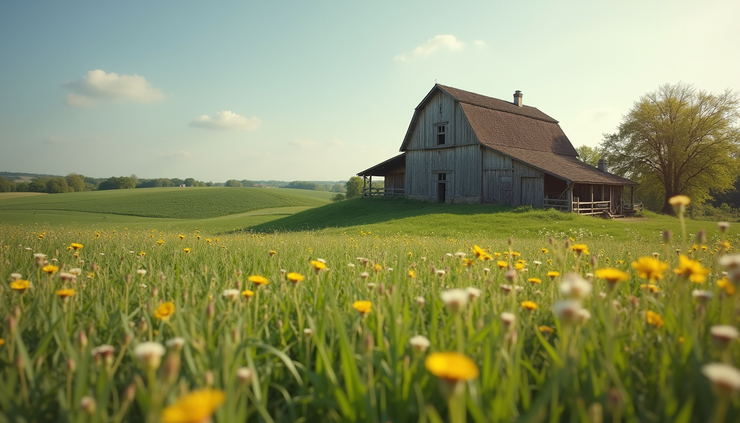
Understanding the Appeal of Farm Tourism
Farm tourism taps into growing interest in authentic, outdoor experiences. Visitors seek a break from urban life, wanting to learn about farming, enjoy fresh air, and participate in activities like harvesting, animal care, or cooking with farm-fresh ingredients. Farms that offer these experiences create emotional connections and lasting memories.
Key reasons people choose farm tourism include:
Desire to reconnect with nature and rural traditions
Interest in sustainable and organic food production
Opportunities for family-friendly outdoor activities
Educational experiences for children and adults
Unique accommodations away from typical hotels
Recognizing these motivations helps tailor your offerings to meet visitor expectations.
Planning Your Farm Stay and Experiences
Before opening your farm to tourists, careful planning ensures a smooth and enjoyable experience for guests and hosts alike.
Assess Your Farm’s Strengths and Resources
Identify what makes your farm special. Consider:
Types of crops or animals you raise
Available space for accommodations or events
Existing infrastructure like barns, trails, or kitchens
Nearby attractions or natural features
Your skills and interests in hosting and guiding visitors
This assessment guides which experiences to develop and how to market them.
Choose the Right Farm Stay Options
Farm stays can range from simple camping spots to cozy guest rooms or fully equipped cottages. Popular choices include:
Bed and Breakfast: Comfortable rooms with home-cooked meals
Cabins or Tiny Homes: Private, self-contained units for families or couples
Camping or Glamping: Tents or yurts with basic or luxury amenities
Farmhouse Rentals: Entire homes for groups seeking privacy
Make sure accommodations meet safety and hygiene standards. Adding rustic charm with local decor enhances the guest experience.
Design Engaging Farm Tours and Activities
Visitors want hands-on, interactive experiences. Ideas include:
Guided tours explaining crop cycles, animal care, and farm machinery
Seasonal activities like fruit picking, planting, or hayrides
Workshops on cheese making, beekeeping, or cooking with farm produce
Animal feeding or petting sessions for children
Nature walks highlighting local flora and fauna
Keep groups small for personalized attention and safety. Offering flexible schedules helps attract more visitors.

Marketing Your Farm Tourism Destination
Attracting visitors requires clear communication about what makes your farm unique and enjoyable.
Build a Simple, Informative Website
Your website should include:
Photos and descriptions of accommodations and activities
Pricing and booking information
Visitor testimonials and reviews
Directions and nearby attractions
Contact details for inquiries
Use clear language and highlight the benefits of visiting your farm.
Use Local Networks and Partnerships
Collaborate with:
Local tourism offices and visitor centers
Nearby restaurants, shops, and attractions for cross-promotion
Community events and farmers markets to showcase your offerings
Word of mouth remains powerful in rural tourism.
Offer Special Packages and Events
Create themed experiences such as:
Harvest festivals or farm-to-table dinners
Weekend workshops or retreats
Holiday celebrations with seasonal decorations and activities
These events encourage repeat visits and attract new guests.
Managing Operations and Guest Experience
Running a farm tourism business requires balancing farm work with hospitality.
Prepare Your Farm for Visitors
Ensure clear signage and safe pathways
Provide clean restrooms and handwashing stations
Maintain accommodations with regular cleaning and repairs
Train staff or family members in customer service and safety
Set Clear Expectations
Communicate rules and schedules upfront. Provide guests with:
Check-in and check-out procedures
Activity guidelines and safety tips
Information on local wildlife and environment
This transparency helps avoid misunderstandings.
Collect Feedback and Improve
Ask guests for feedback through surveys or informal conversations. Use their input to:
Enhance activities and accommodations
Address any issues promptly
Develop new offerings based on popular requests
Continuous improvement builds a strong reputation.
Financial Considerations and Legal Requirements
Starting farm tourism involves costs and regulations.
Budgeting for Start-Up and Maintenance
Expenses may include:
Renovating or building guest accommodations
Marketing and website development
Insurance and permits
Supplies for activities and events
Track income and expenses carefully to ensure profitability.
Understand Legal and Safety Regulations
Check local laws regarding:
Zoning and land use for tourism
Health and safety standards for accommodations
Liability insurance requirements
Food handling and animal interaction rules
Consult local authorities or legal experts to stay compliant.
Inspiring Examples of Successful Farm Tourism
A dairy farm in Vermont offers overnight stays in converted barns, cheese-making workshops, and guided hikes through surrounding forests. Visitors enjoy fresh farm breakfasts and learn about sustainable farming.
An orchard in California hosts seasonal fruit-picking events, farm-to-table dinners, and camping spots among the trees. Families appreciate the hands-on activities and scenic views.
A sheep farm in New Zealand provides shearing demonstrations, wool-spinning classes, and cozy cottages for guests. The farm’s focus on education and authentic experiences draws international visitors.
These examples show how farms of different sizes and types can create unique tourism experiences.

Comments