
Vertical Farming 101: How to Start Growing Hydroponics and Microgreens at Home
Vertical farming is changing how people grow food, especially in small spaces like homes or tiny farms. It offers a way to grow fresh vegetables, herbs, and fruits year-round without needing much land. If you are curious about starting vertical farming, this guide will explain the basics of hydroponics, tower gardens, and growing microgreens, herbs, lettuce, and strawberries. You will also learn about setup costs, space-saving benefits, and what to expect realistically.
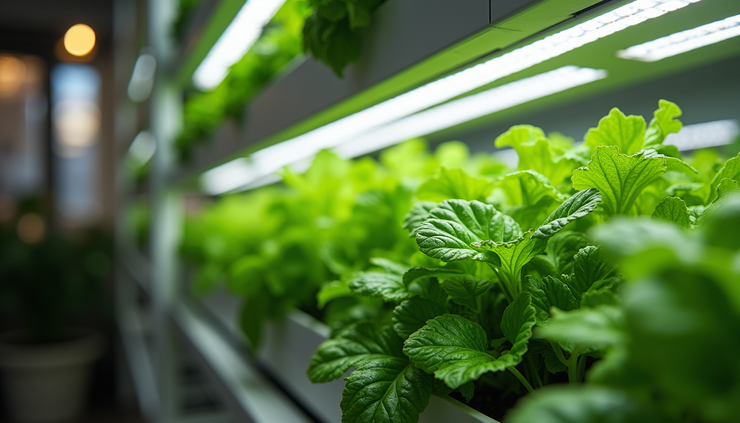
What Is Vertical Farming and Why It Matters
Vertical farming means growing plants in stacked layers, often indoors or in controlled environments. This method uses less land and water than traditional farming. It also reduces the need for pesticides and allows you to grow food close to where you live.
For beginners, vertical farming can seem complex, but it breaks down into simple systems like hydroponics and tower gardens. These systems use water and nutrients instead of soil, making them cleaner and easier to manage indoors or in small outdoor spaces.
Understanding Hydroponics: Growing Without Soil
Hydroponics is a technique where plants grow in water mixed with nutrients instead of soil. The roots get everything they need directly from the water, which speeds up growth and saves space.
How Hydroponics Works
Plants are placed in containers or trays with their roots submerged in nutrient-rich water.
The water is often circulated to keep oxygen levels high.
Grow lights provide the right spectrum of light if natural sunlight is limited.
Common hydroponic setups include nutrient film technique (NFT), deep water culture (DWC), and ebb and flow systems.
Hydroponics is ideal for growing leafy greens like lettuce and herbs because they grow fast and don’t need deep roots.
Tower Gardens: Space-Saving Vertical Systems
Tower gardens are vertical structures with multiple planting pockets stacked on top of each other. They use hydroponics or aeroponics (where roots are misted with nutrients) to grow plants upward instead of outward.
Benefits of Tower Gardens
Save floor space by growing plants vertically.
Easy to maintain with automated watering and nutrient delivery.
Can be placed indoors or outdoors.
Great for growing microgreens, herbs, strawberries, and lettuce.
Tower gardens are beginner-friendly and often come as kits with instructions, making setup easier.

Growing Microgreens, Herbs, Lettuce, and Strawberries
Microgreens
Microgreens are young vegetable greens harvested just after the first leaves develop. They are packed with nutrients and grow quickly, often in 7 to 14 days.
Easy to grow in small trays.
Require minimal space and light.
Popular varieties include radish, sunflower, and pea shoots.
Herbs
Herbs like basil, mint, and parsley thrive in hydroponic or tower garden systems.
They grow well indoors with moderate light.
Regular harvesting encourages bushier growth.
Fresh herbs add flavor and nutrition to meals.
Lettuce
Lettuce is one of the most common crops for vertical farming.
Grows quickly, usually ready in 4 to 6 weeks.
Prefers cooler temperatures and moderate light.
Varieties like butterhead and romaine do well hydroponically.
Strawberries
Strawberries can grow in vertical systems but need more care.
Require good light and temperature control.
Benefit from vertical airflow to prevent mold.
Can produce fruit year-round indoors with the right setup.
Setup Costs and What to Expect
Starting vertical farming at home or on a small farm involves some upfront investment. Costs vary depending on the system size and complexity.
Basic Setup Costs
Hydroponic kits: $100 to $500 for small home systems.
Tower garden kits: $200 to $1,000 depending on height and number of planting pockets.
Grow lights: $50 to $300 depending on quality and coverage.
Nutrients and seeds: $20 to $100 to start.
Additional Costs
Electricity for lights and pumps.
Water supply and filtration if needed.
Replacement parts and maintenance.
Realistic Expectations
Vertical farming requires daily attention for watering, nutrient checks, and pest monitoring.
Yields are smaller than large-scale farms but fresher and pesticide-free.
Learning curve exists but is manageable with beginner kits and guides.
Space-saving benefits allow growing more food in less area.
Space-Saving Benefits and Practical Tips
Vertical farming shines in small spaces. Here are some tips to maximize your setup:
Use vertical racks or shelves near windows for natural light.
Choose compact plants like microgreens and herbs for faster harvests.
Rotate crops to keep the system productive year-round.
Monitor humidity and temperature to avoid mold or pests.
Start small and expand as you gain experience.

Final Thoughts on Starting Vertical Farming at Home
Vertical farming offers a practical way to grow fresh, healthy food in limited space. Hydroponics and tower gardens make it possible to cultivate microgreens, herbs, lettuce, and strawberries year-round. While setup costs and daily care require commitment, the benefits of fresh produce and space efficiency are clear.


Comments