
Essential Vegetables for Thriving in Florida Gardens and Small Farms
Gardening in Florida offers unique challenges and opportunities. The state's warm climate, high humidity, and long growing seasons create ideal conditions for many vegetables, but not all crops thrive equally well. For beginners starting a small farm or home garden, choosing the right vegetables can mean the difference between a bountiful harvest and frustration. This guide highlights the best vegetables to grow in Florida, focusing on those that are beginner-friendly and well-suited to the local environment.
Understanding Florida’s Growing Conditions
Florida’s climate varies from subtropical in the north to tropical in the south. This means gardeners can often grow vegetables year-round, but they must consider heat, humidity, and seasonal rainfall. The soil in many parts of Florida tends to be sandy and low in organic matter, so improving soil quality with compost or organic amendments is essential.
Key factors to keep in mind:
Heat tolerance: Choose vegetables that can handle high temperatures, especially in summer.
Humidity resistance: Some crops are prone to fungal diseases in humid conditions.
Soil preparation: Amend sandy soils to retain moisture and nutrients.
Pest management: Warm weather encourages pests, so select resilient varieties and use natural controls.
Best Vegetables to Grow in Florida Gardens
Tomatoes
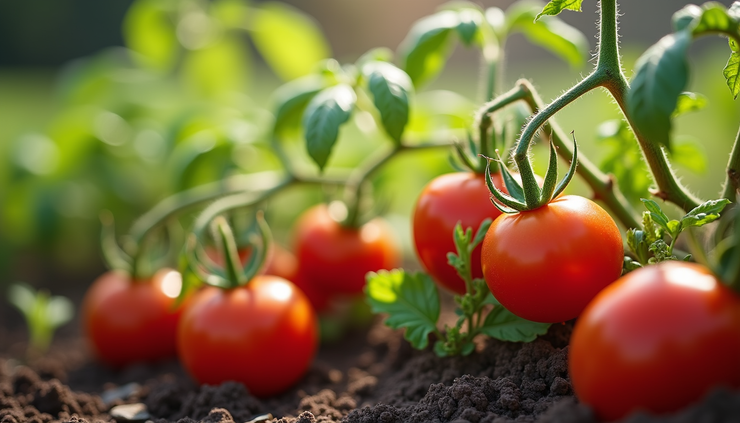
Tomatoes are a favorite for many gardeners and grow well in Florida with the right care. Choose heat-tolerant varieties such as ‘Heatmaster,’ ‘Solar Fire,’ or ‘Florida 91.’ Plant tomatoes in early spring or fall to avoid the hottest months. Use mulch to retain soil moisture and prevent soil-borne diseases.
Requires full sun and well-drained soil
Regular watering but avoid wetting leaves to reduce disease risk
Support plants with cages or stakes
Peppers
Peppers thrive in Florida’s warm climate and come in many types, including bell, jalapeño, and habanero. They prefer slightly acidic soil and consistent moisture. Plant peppers in early spring or late summer for fall harvest.
Grow well in containers or garden beds
Use organic mulch to keep soil temperature stable
Watch for aphids and spider mites
Okra
Okra is a heat-loving vegetable that flourishes in Florida’s summer heat. It requires minimal care and produces abundant pods. Okra prefers full sun and well-drained soil.
Sow seeds directly in the garden after the last frost
Harvest pods when young and tender for best flavor
Drought-tolerant once established
Southern Peas (Black-eyed Peas)
Southern peas are a traditional crop in Florida gardens. They tolerate heat and poor soils better than many other legumes. These peas fix nitrogen in the soil, improving fertility for future crops.
Plant in spring or summer
Require full sun and well-drained soil
Harvest pods when they are young and tender
Sweet Potatoes
Sweet potatoes grow well in Florida’s sandy soils and warm climate. They need a long growing season of about 90 to 120 days. Sweet potatoes prefer loose, well-drained soil and full sun.
Plant slips (young plants) after soil warms in spring
Keep soil moist but not waterlogged
Harvest before the first frost or after 4 months of growth
Tips for Successful Vegetable Gardening in Florida
Soil Preparation
Florida’s sandy soil drains quickly and often lacks nutrients. Improve soil by adding organic matter such as compost, aged manure, or peat moss. Raised beds can help control soil quality and drainage.
Watering Practices
Consistent watering is critical, especially during dry spells. Use drip irrigation or soaker hoses to deliver water directly to roots and reduce leaf diseases. Water early in the day to allow foliage to dry before evening.
Pest and Disease Control
Common pests include aphids, whiteflies, and caterpillars. Use natural predators like ladybugs or insecticidal soaps to manage infestations. Rotate crops yearly to prevent soil-borne diseases and avoid planting the same vegetable in the same spot.
Seasonal Planting Guide
Spring planting: Tomatoes, peppers, okra, southern peas
Fall planting: Leafy greens, broccoli, carrots, beets
Summer planting: Okra, southern peas, sweet potatoes

Choosing Seeds and Varieties
Select seeds labeled for heat tolerance and disease resistance. Local nurseries and extension services often recommend varieties suited for Florida’s climate. Starting seeds indoors or buying seedlings can give plants a head start, especially for tomatoes and peppers.
Final Thoughts on Growing Vegetables in Florida
Growing vegetables in Florida’s unique climate requires selecting the right crops and adapting gardening practices. Tomatoes, peppers, okra, southern peas, and sweet potatoes stand out as reliable choices for beginners. By preparing soil well, watering carefully, and managing pests naturally, gardeners can enjoy fresh, homegrown vegetables throughout much of the year.


Comments