
Smart Florida Farming Techniques for Thriving in Heat Humidity and Storms
Florida’s climate offers unique challenges for farmers. The combination of intense heat, high humidity, and frequent storms demands smart strategies to protect crops and maintain productivity. Growing crops successfully in this environment means adapting to the weather patterns and soil conditions that define the region. This post explores practical farming techniques tailored to Florida’s climate, helping growers improve yields and reduce losses.

Understanding Florida’s Climate Challenges
Florida’s subtropical to tropical climate brings:
High temperatures often exceeding 90°F during summer months
Humidity levels frequently above 70%, which can promote fungal diseases
Heavy rainfall and storm seasons from June to November, including hurricanes and tropical storms
Sandy, acidic soils with low organic matter in many areas
These factors create stress for plants, affecting growth, nutrient uptake, and pest resistance. For example, heat stress can reduce photosynthesis, while humidity encourages mold and mildew. Storms can cause flooding and physical damage to crops.
Farmers must use techniques that address these issues directly, focusing on soil health, water management, crop selection, and protective structures.
Soil Management for Heat and Humidity
Healthy soil is the foundation of resilient farming. Florida’s sandy soils drain quickly but hold fewer nutrients and water. Improving soil quality helps plants withstand heat and humidity stress.
Add organic matter such as compost or well-rotted manure to increase water retention and nutrient availability.
Use cover crops like cowpeas or sunn hemp during off-seasons to fix nitrogen and protect soil from erosion.
Apply mulch to reduce soil temperature, retain moisture, and suppress weeds. Organic mulches like pine straw or wood chips work well.
Test soil regularly to monitor pH and nutrient levels. Lime may be needed to raise pH in acidic soils.
By building soil organic matter, farmers create a buffer against drought and heat, while improving root development and microbial activity.
Water Management Strategies
Water management is critical in Florida’s climate, where heavy rains alternate with dry spells.
Install drip irrigation systems to deliver water directly to roots, reducing evaporation and fungal disease risk.
Use rainwater harvesting to capture stormwater for irrigation during dry periods.
Create raised beds or mounds to improve drainage and prevent root rot during heavy rains.
Schedule irrigation early in the morning to minimize water loss and fungal growth.
Proper water management ensures plants receive consistent moisture without becoming waterlogged, which is essential for healthy growth in humid conditions.
Choosing Heat and Humidity-Tolerant Crops
Selecting the right crops is one of the smartest ways to succeed in Florida farming.
Grow heat-tolerant vegetables such as okra, sweet potatoes, peppers, and eggplants.
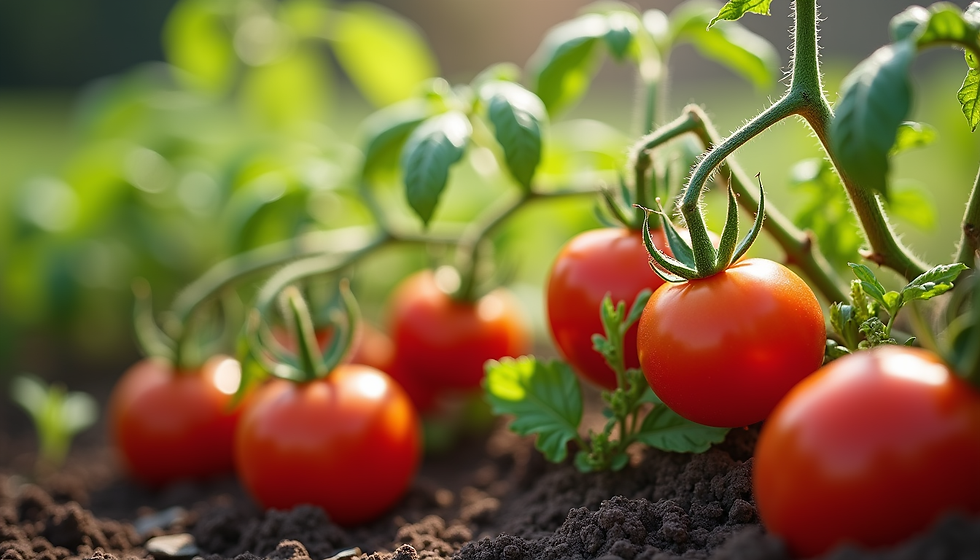
Opt for disease-resistant varieties that handle humidity better, like certain tomato cultivars bred for Florida conditions.
Plant native or adapted fruits like citrus, mango, and avocado that thrive in subtropical climates.
Use crop rotation to reduce pest buildup and soil nutrient depletion.
For example, okra thrives in heat and resists many fungal diseases common in humid environments. Choosing crops suited to the climate reduces losses and lowers the need for chemical controls.
Protecting Crops from Storm Damage
Storms can devastate crops with high winds and flooding. Farmers can take steps to minimize damage:
Use windbreaks such as rows of trees or tall shrubs to reduce wind speed and protect fields.
Build sturdy trellises and supports for vine crops to prevent breakage.
Plant on raised beds to avoid waterlogging during heavy rains.
Harvest early or cover crops with tarps when storms are forecasted to protect fruit and vegetables.
Planning for storm season helps farmers avoid total crop loss and recover faster after events.

Integrated Pest and Disease Management
Heat and humidity increase pest and disease pressure. Managing these threats requires a combination of cultural, biological, and mechanical methods:
Encourage beneficial insects like ladybugs and lacewings to control aphids and other pests.
Practice crop rotation and intercropping to disrupt pest life cycles.
Remove diseased plants promptly to prevent spread.
Use resistant varieties and apply organic fungicides when necessary.
Regular monitoring and early intervention reduce the need for harsh chemicals and keep crops healthier.
Using Technology and Data for Smarter Farming
Modern tools can help Florida farmers adapt to climate challenges:
Soil moisture sensors provide real-time data to optimize irrigation.
Weather apps and alerts help plan planting and harvesting around storms.
Drones and satellite imagery monitor crop health and identify problem areas quickly.
Mobile apps track pest outbreaks and recommend treatments.
Technology supports informed decisions, saving time and resources while improving outcomes.
Building Community and Knowledge Sharing
Florida farmers benefit from sharing experiences and resources:
Join local agricultural extension programs for workshops and advice.
Participate in farmer cooperatives to access bulk supplies and marketing.
Share successes and challenges through online forums and social media groups focused on Florida agriculture.
Learning from others helps farmers stay updated on best practices and new research.


Comments