Transforming Your Backyard into a Sustainable Mini-Farm: Practical Tips for Food, Animals, and Learning Zones
- Apr 25
- 3 min read
Turning a typical backyard into a productive mini-farm is a rewarding way to grow your own food, raise animals, and create a space for family learning. With thoughtful design, you can divide your yard into zones that support garden beds, composting, chickens, fruit trees, and shaded areas. This guide offers practical steps to help you build a sustainable backyard that feeds your household and nurtures curiosity.

Planning Your Backyard Zones
Start by mapping your backyard to identify spaces for each zone. Consider sunlight, soil quality, water access, and how much space each element needs. A well-planned layout reduces work and maximizes productivity.
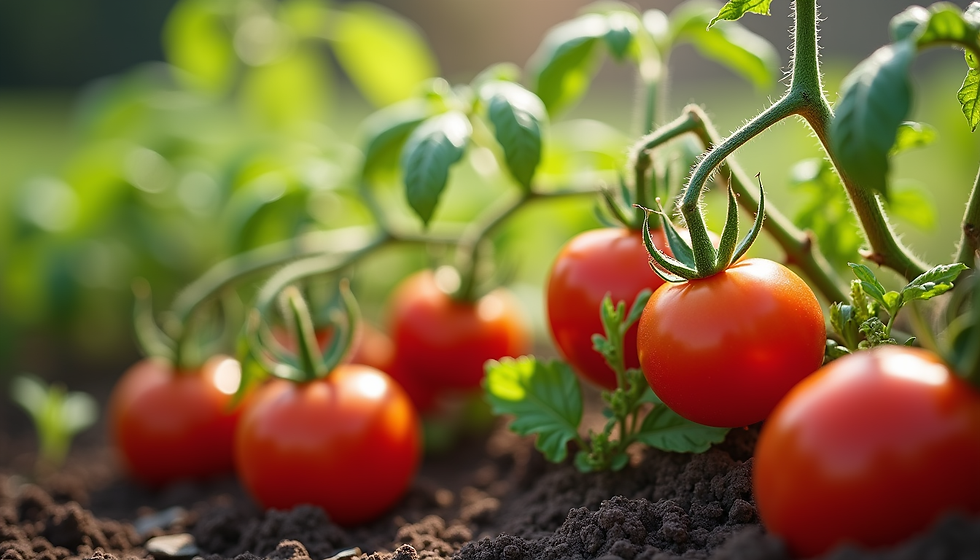
Food Garden Beds: Choose sunny spots for vegetables and herbs. Raised beds improve drainage and soil quality.
Compost Area: Locate compost bins near the garden for easy access to nutrient-rich soil amendments.
Chicken Coop: Place the coop in a shaded, secure corner to protect chickens and keep odors away from living areas.
Fruit Trees: Plant trees where they get full sun and have room to grow without shading other plants.
Shade and Learning Zones: Create a shaded seating area for family activities and outdoor education.
Building Productive Garden Beds
Raised garden beds are ideal for growing food in a backyard mini-farm. They warm up faster in spring, drain well, and keep soil loose.
Use untreated wood, stone, or recycled materials for bed frames.
Fill beds with a mix of compost, topsoil, and organic matter.
Rotate crops each season to maintain soil health.
Companion planting helps deter pests and improves yields. For example, plant basil near tomatoes.
Start with easy-to-grow vegetables like lettuce, radishes, and beans. These provide quick harvests and build confidence.
Setting Up a Compost System
Composting turns kitchen scraps and yard waste into valuable fertilizer. It reduces waste and improves soil fertility.
Choose a spot with good drainage and partial shade.
Use a bin or pile system. Bins keep compost tidy; piles are easier to turn.
Balance green materials (vegetable scraps, grass clippings) with brown materials (dry leaves, paper).
Turn the compost regularly to speed decomposition.
After a few months, the compost will be dark, crumbly, and smell earthy.
Use finished compost to enrich garden beds and around fruit trees.

Raising Backyard Chickens
Chickens provide fresh eggs, pest control, and natural fertilizer. They also offer a hands-on learning experience for families.
Build or buy a secure coop with nesting boxes and roosts.
Provide a fenced run for chickens to roam safely.
Feed chickens a balanced diet with grains, kitchen scraps, and occasional treats.
Collect eggs daily to keep them clean and fresh.
Maintain coop cleanliness to prevent disease.
Start with a small flock of 3 to 5 hens. They require minimal space and care but offer great benefits.
Planting and Caring for Fruit Trees
Fruit trees add beauty, shade, and fresh produce to your mini-farm. Choose varieties suited to your climate and space.
Plant trees in well-drained soil with full sun exposure.
Space trees according to their mature size to avoid overcrowding.
Water young trees regularly during dry spells.
Prune annually to maintain shape and encourage fruiting.
Protect trees from pests with natural methods like neem oil or companion plants.
Popular backyard fruit trees include apple, pear, peach, and fig.

Creating a Family Learning and Shade Zone
A shaded area encourages outdoor learning and relaxation. Use trees, pergolas, or shade sails to create a comfortable spot.
Add seating like benches or picnic tables.
Include educational tools such as plant labels, gardening tools, and wildlife guides.
Use this space for family activities like planting seeds, observing insects, or cooking harvests.
Encourage children to participate in daily chores to build skills and responsibility.
This zone connects family members to nature and the mini-farm’s rhythms.


Comments